
T-Shirt Printing Methods: What’s the Difference and Why It Matters
Not all graphic T-shirts are created equal. Two shirts can look similar on a hanger, but feel completely different once you put them on. That difference usually comes down to two things: the fabric content/construction, and how the design was printed.Printing methods affect everything. Texture, color, breathability, image sharpness, and how a shirt ages and fades.If you’ve ever wondered why some graphic tees feels softer and more “alive,” why other may feel cleaner and more precise, it helps to understand how each printing method works and what it was designed to do.Screen Printing: Ink Built Into the Fabric
Screen printing is one of the oldest and most widely used methods in T-shirt history, especially throughout the 60s, 70s, 80s, and 90s.How it works
A stencil is created for each color in a design. Ink is then pushed through a mesh screen directly onto the fabric. Each color is printed one layer at a time. Once cured, the ink physically bonds with the fibers of the shirt.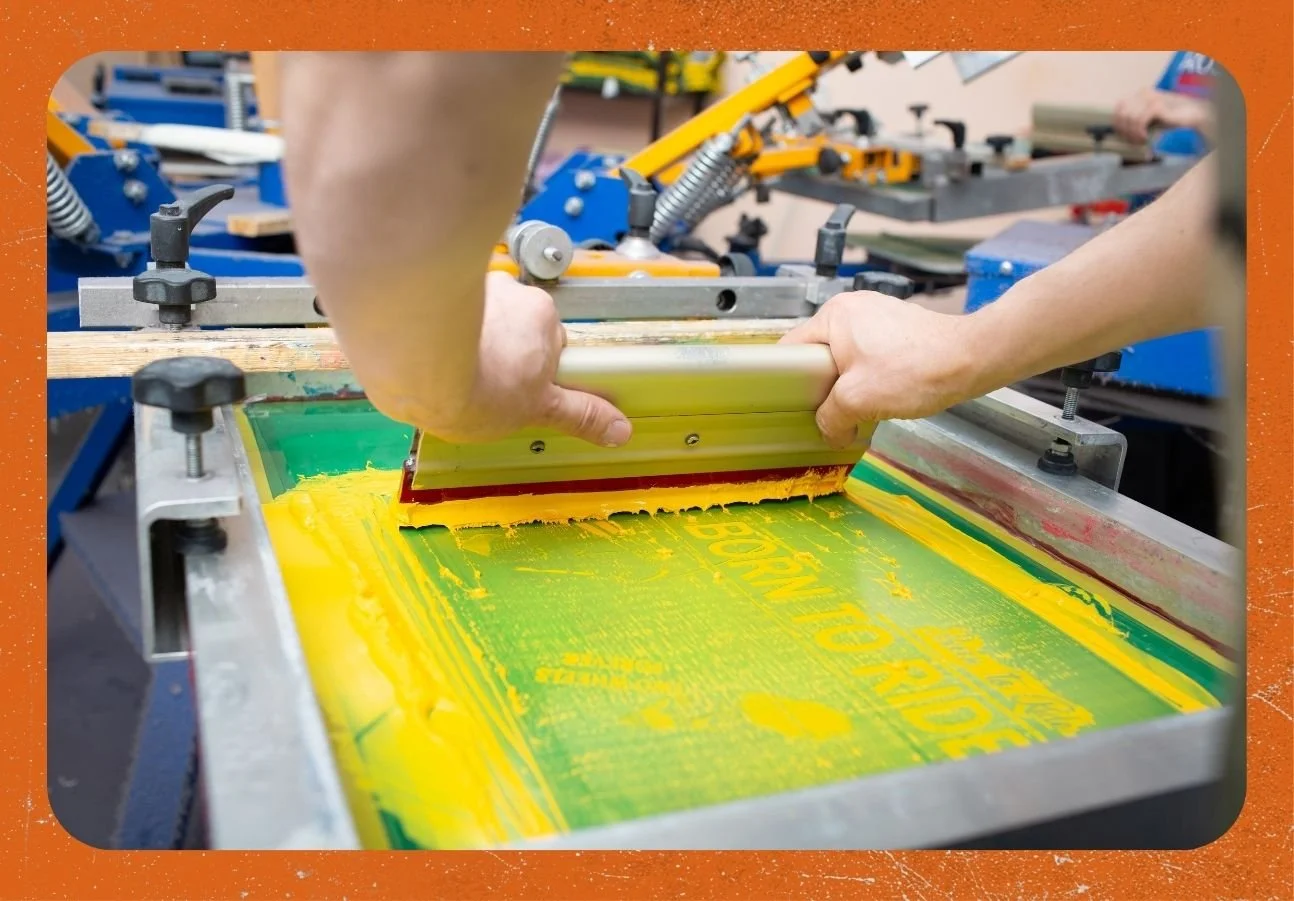
How it affects the shirt
Because the ink penetrates the fabric, screen prints tend to feel substantial at first and soften gradually with wear. Over time, the ink flexes with the shirt, fades slightly, and becomes part of the garment rather than sitting on top of it.This is why vintage screen-printed tees often feel broken-in instead of damaged. The aging is gradual and organic.Why it shows up so often in second-hand tees
Screen printing was the industry standard for decades. Band tees, tour merch, sports shirts, and promotional graphics were all made this way. When you thrift a screen printed graphic tee from the past, you are often holding something that was designed to survive years of wear.Direct-to-Garment (DTG) Printing: The Modern Digital Method
Direct-to-garment printing, often called DTG, is one of the most important modern developments in apparel production.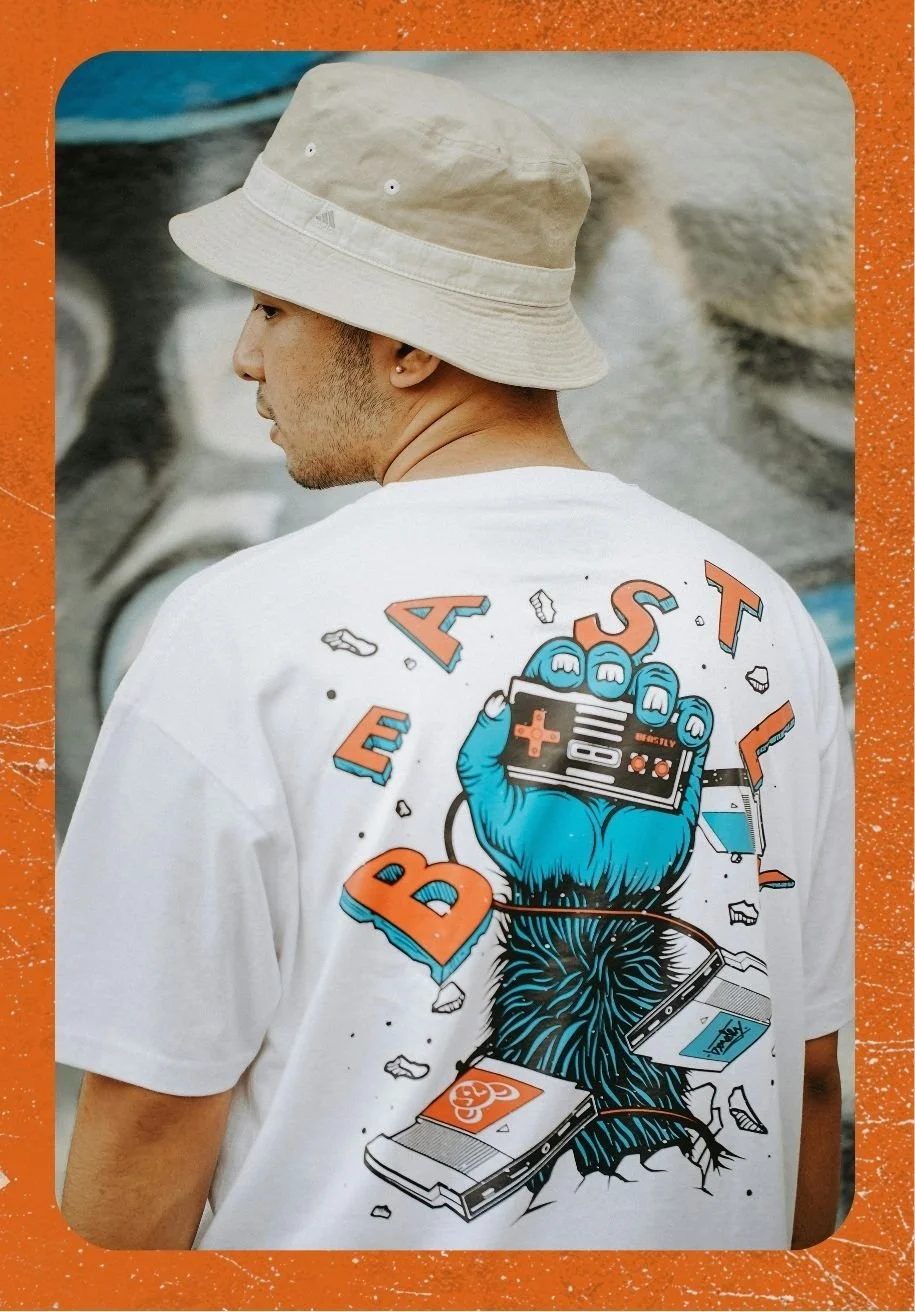
How it works
DTG uses a specialized printer that sprays water-based ink directly onto the fabric, similar to how an inkjet printer works on paper. The ink is absorbed into the fibers and then cured with heat.Unlike screen printing, there is no setup for each color. The design is printed in one pass, which allows for detailed artwork, gradients, and photographic elements.How it affects the shirt
DTG prints tend to feel lighter and smoother, especially on high-quality cotton. The ink does not form thick layers, which keeps the shirt breathable and flexible.Modern DTG technology has improved significantly over the years. When printed on good blanks and cared for properly, DTG graphics can remain vibrant and soft through many washes. In fact, that's why we use DTG printing here at ThriftedTees.com for our Original Designs! Direct-to-Film (DTF): A Hybrid Approach
Direct-to-film printing, often called DTF, sits somewhere between traditional heat transfer and direct-to-garment printing.How it works
Instead of printing directly onto the shirt, the design is first printed onto a special transparent film using water-based inks. A powdered adhesive is then applied to the wet ink. Once cured, the design is heat-pressed onto the garment, bonding the ink layer to the fabric.Unlike basic heat transfers, DTF uses higher-quality inks and adhesives designed specifically for apparel, which results in a more durable bond.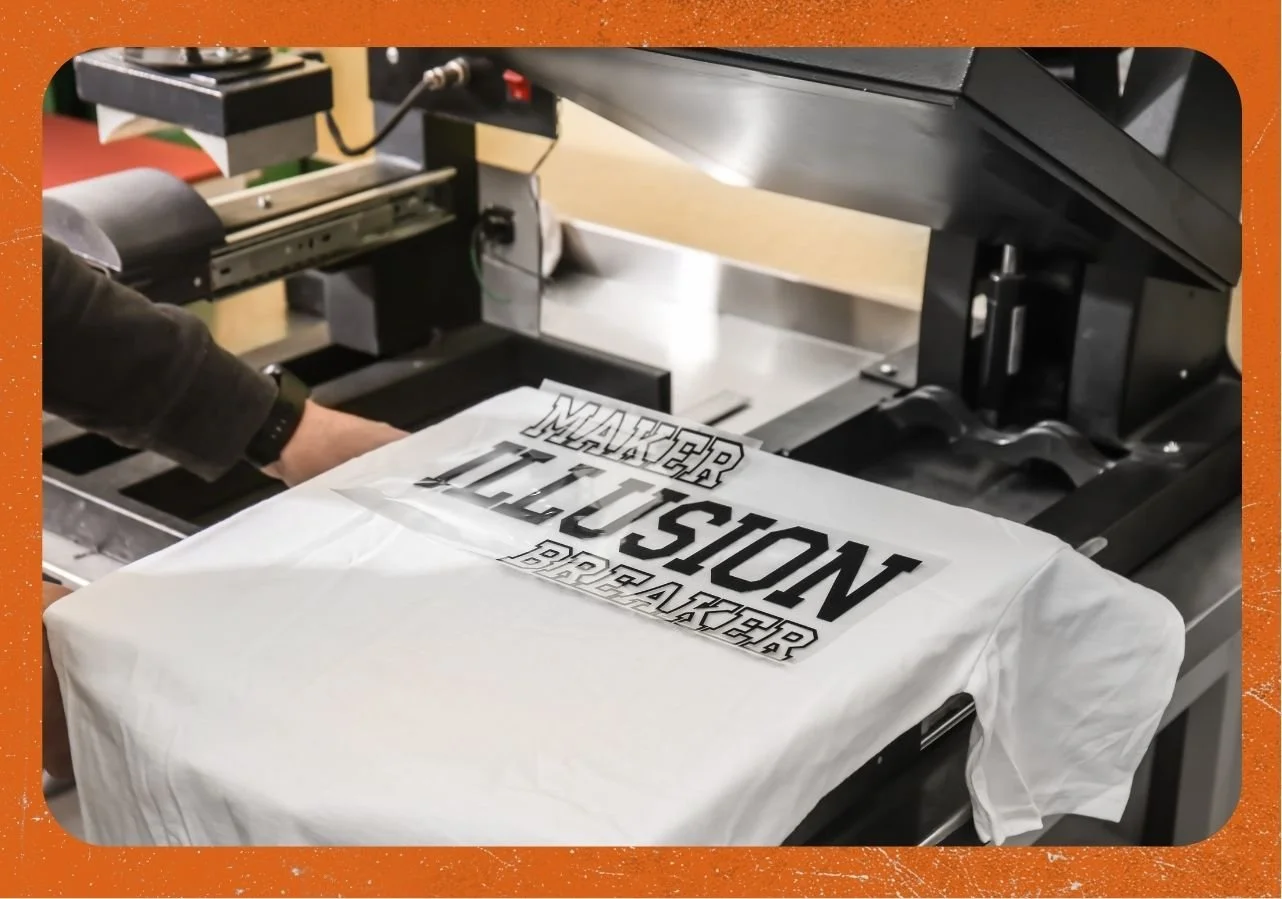
How it affects the shirt
Because the design is transferred as a single layer, DTF prints tend to feel slightly raised on the surface of the fabric. The print has more structure than DTG, especially in solid or high-contrast designs.DTF is known for strong color vibrancy and sharp detail, even on dark or textured fabrics. It also stretches well without immediately cracking, though the print remains more noticeable to the touch compared to DTG or well-worn screen prints.When DTF makes sense
DTF excels in situations where versatility matters. It works on cotton, polyester, blends, and even tricky fabrics that DTG struggles with. It also handles bold colors and fine detail without requiring multiple screens or heavy setup.For brands, DTF offers flexibility without committing to large production runs. It is especially useful for designs that need strong opacity or for garments where direct printing is not ideal. With proper care, they remain intact and vibrant, though they retain a slightly more “on top” feel.Heat Transfer and Vinyl: Graphics Applied On Top
Heat transfer and vinyl printing gained popularity because they are fast and accessible, especially for short runs and custom jobs.How it works
A design is either printed onto transfer paper or cut from vinyl. Heat and pressure are then used to bond that layer onto the surface of the shirt.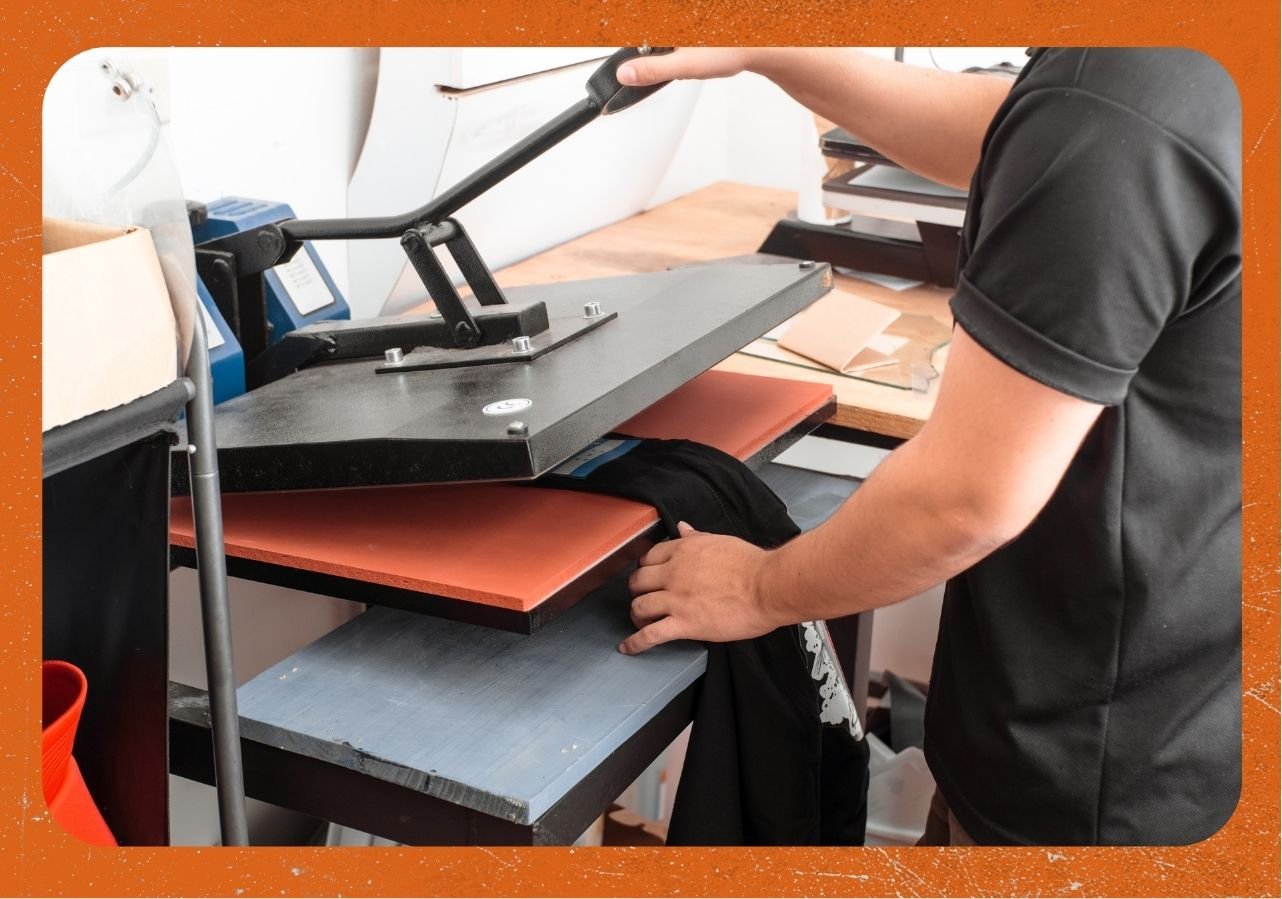
How it affects the shirt
Because the graphic sits on top of the fabric, it usually feels stiffer. Over time, that bonded layer can crack, peel, or separate from the shirt, especially if the garment is washed frequently or stretched.When it makes sense
This method is useful for small projects or specialty items, but it is not designed for long-term wear. Most people recognize this type of print by touch before sight.Sublimation: Ink That Becomes the Fabric
Sublimation is less common in everyday cotton T-shirts but worth mentioning.How it works
Heat turns ink into a gas that permanently bonds with synthetic fibers, usually polyester. The ink becomes part of the fabric itself.How it affects the shirt
There is no texture at all. The print cannot crack or peel. However, sublimation only works on light-colored synthetic garments, which limits its use in classic tee culture.Comparing Printing Methods: Pros, Cons, and How to Tell Them Apart
Each printing method exists for a reason. None are universally “better” than the others. They are tools designed for different goals, eras, and use cases. Understanding their strengths and limitations helps explain why certain shirts feel the way they do and why different methods still coexist today.Screen Printing
Best for:
Large runs, bold graphics, long-term durability, classic graphic teesPros:Strong, saturated colorsExcellent longevityAges gradually and naturallyProven track record over decades
Cons:Requires setup for each colorLess efficient for small runsLimited detail compared to digital methods
How to tell:
The print often feels slightly embedded in the fabric. On older shirts, the ink may look faded but not peeling. Cracking appears organic rather than sharp or plastic-like.
Direct-to-Garment (DTG)
Best for:
Print-on-demand, small brands, detailed artwork, sustainable productionPros:Allows complex, full-color designsNo excess inventory or overproductionSoft feel on quality garmentsIdeal for limited or rotating designs
Cons:Print quality depends heavily on the blankCan fade faster if improperly cared forLess texture and depth than thick screen prints
How to tell:
The print feels smooth and lightweight. You can often see the fabric texture through the ink. There is little to no raised surface.
Direct-to-Film (DTF)
Best for:
Versatility across fabrics, bold designs, strong opacityPros:Works on many fabric typesBright, vibrant colorsDurable with good stretchNo complex setup
Cons:Print sits on top of the fabricTexture is more noticeableLess natural aging than screen printing
How to tell:
The design feels slightly raised and uniform. The edges are clean and defined, and the print maintains consistent color across the entire graphic.
Heat Transfer and Vinyl
Best for:
Short-term use, personalization, quick projectsPros:Easy to produceAccessible for small runsSharp edges and solid colors
Cons:Stiff feelProne to cracking or peelingPoor long-term durability
How to tell:
The print feels thick and plasticky. It often looks glossy and may lift or crack at stress points.
Sublimation
Best for:
Polyester garments, athletic wear, all-over printsPros:Ink becomes part of the fabricNo cracking or peelingExtremely durable
Cons:Limited to light, synthetic fabricsRare in classic cotton teesLess common in vintage culture
How to tell:
You cannot feel the print at all. The fabric texture remains unchanged, and the design appears embedded rather than applied.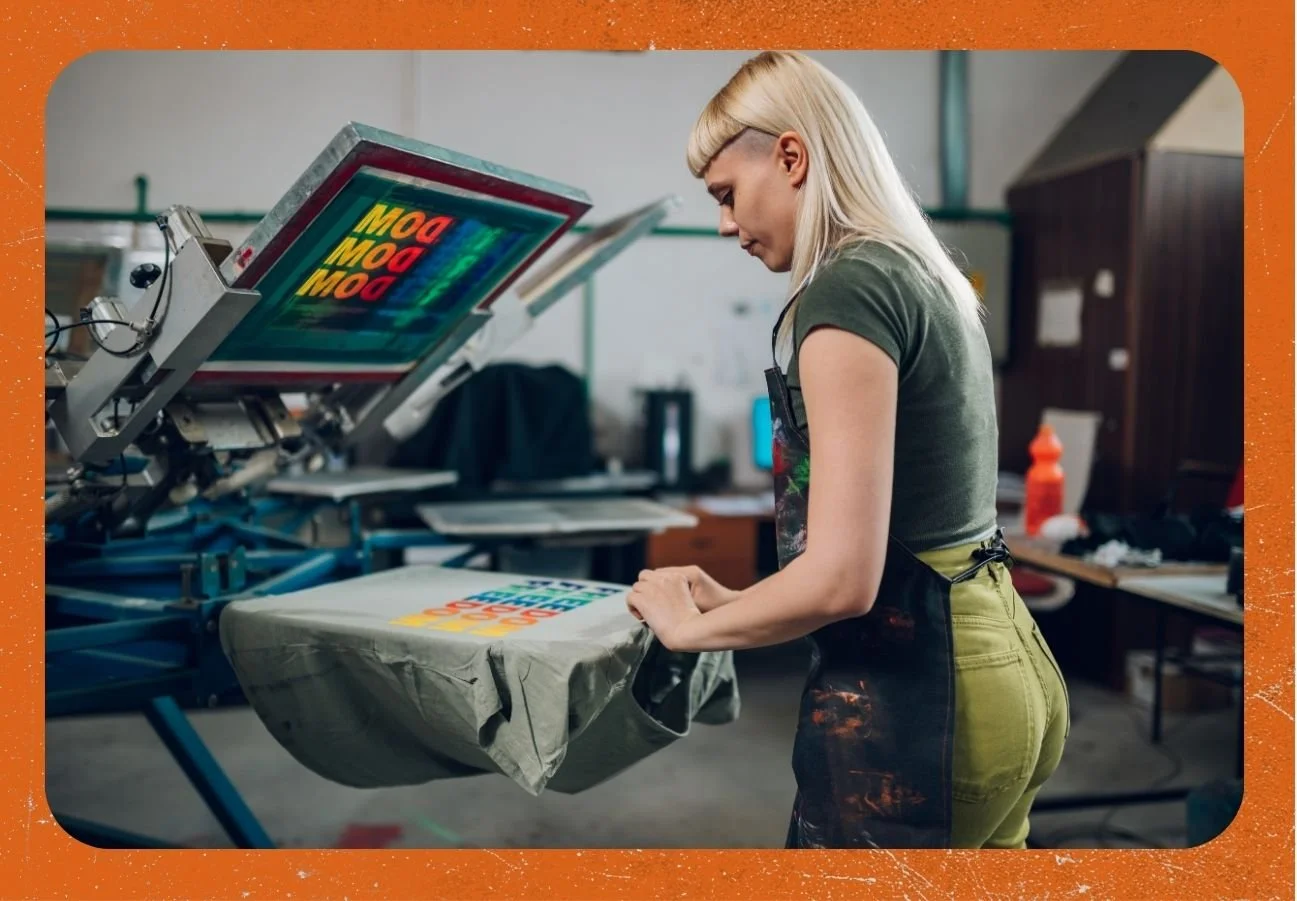
Final Thoughts: Craft Still Matters
Whether a shirt is thrifted or newly printed, how it is made matters. Printing methods shape how a shirt feels, how it ages, and how long it stays in rotation.Understanding that process helps explain why some tees become favorites and others fade out fast.Different situations call for different tools. What matters is intention. And that never goes out of style.