
The Ringer Tee: How a Simple Detail Became an Icon
Defined by its contrast ribbing at the collar and sleeves, the ringer tee is one of the most enduring silhouettes in casual fashion. One small design choice turned a basic T-shirt into something with attitude, identity, and cultural staying power.To understand why the ringer tee still matters today, it helps to look at where it came from and how it became embedded in everyday style.Where the Ringer Tee Comes From
The ringer tee traces its roots back to mid-20th-century athletic wear.In the 1950s and 60s, T-shirts were primarily functional. They were worn for gym class, training, and sports. The contrast ribbing on ringers was not originally decorative. It reinforced high-stress areas like the collar and sleeves, helping the shirt hold its shape through repeated wear and washing.That durability made them ideal for: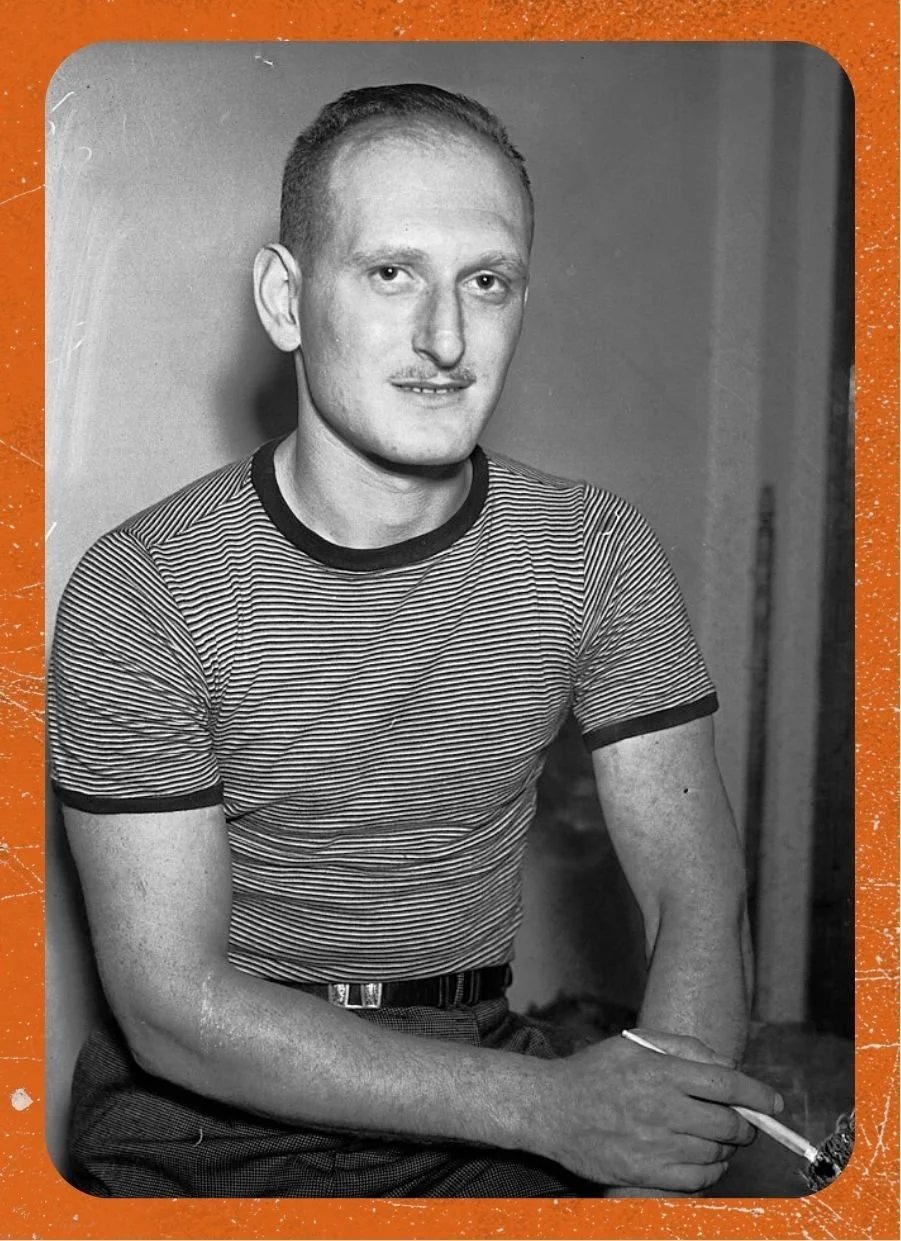
Sidney Franklin, bullfighter, 1932” by Los Angeles Times Photographic Collection at UCLA, licensed under CC BY 4.0 (via Wikimedia Commons). https://creativecommons.org/licenses/by/4.0/
School athleticsSummer campsYouth sports leaguesPhysical education uniforms
The look stuck because it worked.How It Became a Cultural Staple
By the late 1960s and early 70s, the ringer tee started leaving the gym and entering everyday life.This shift happened for a few reasons.First, casualwear was becoming more accepted. Second, printing technology improved, making it easier to add logos, slogans, and graphics to lightweight cotton tees. And third, youth culture was starting to shape fashion instead of the other way around.The ringer tee became a perfect canvas.It was affordable. Easy to print on. Easy to wear. And instantly recognizable from a distance.The Golden Era: 1970s and 80s
The ringer tee truly peaked in the 1970s and early 80s.This era gave us: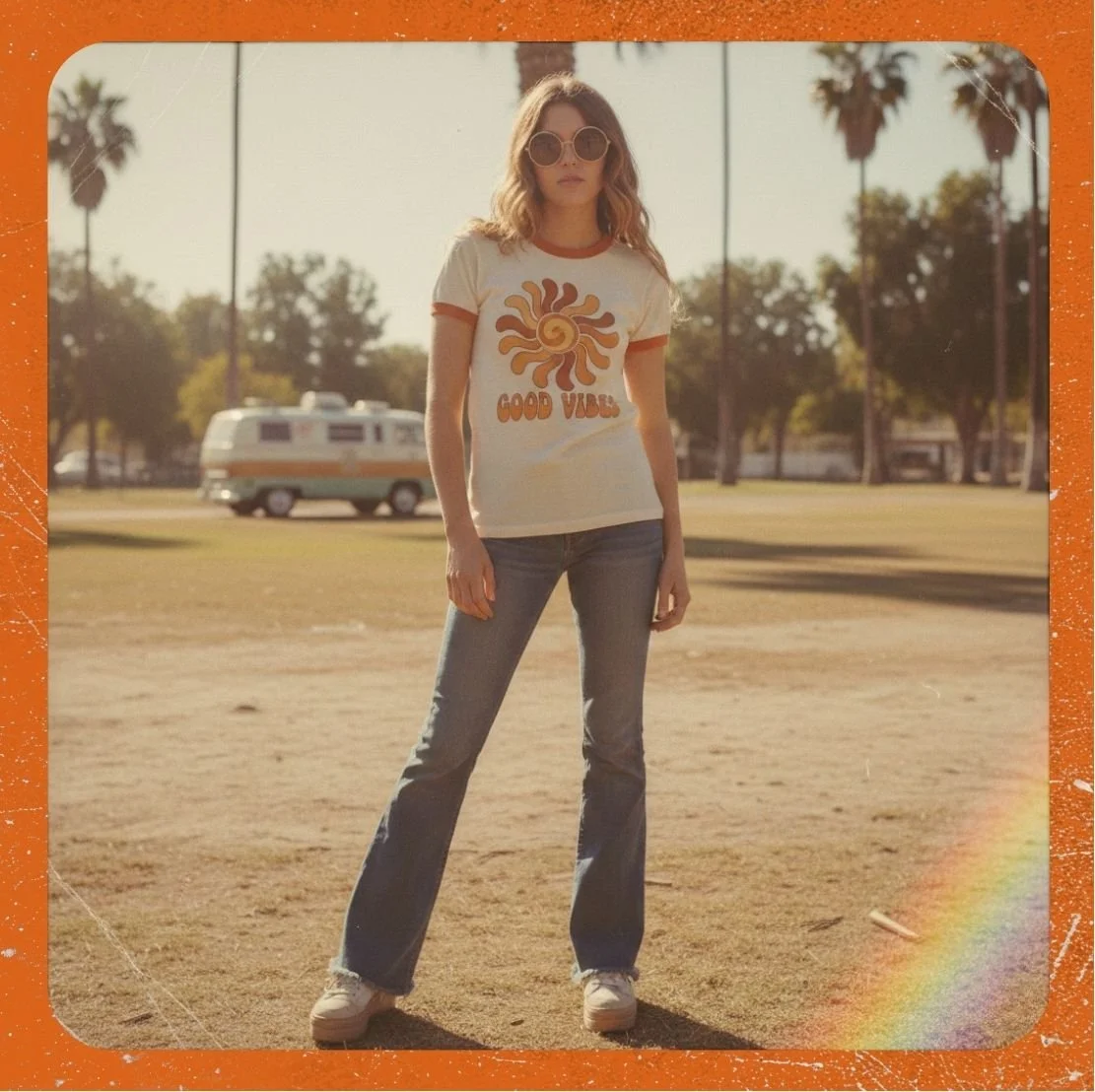
College and varsity ringersTourist teesIron-on slogansCheeky, irreverent graphicsRegional and hyper-specific designs
These shirts were often printed for a moment rather than a brand. A school year. A summer job. A road trip. A joke that only made sense at the time.That specificity is part of what makes vintage ringers so compelling today. They feel personal, not manufactured for mass appeal.Why the Design Works
The ringer tee’s power is in its proportions.The contrast trim:Frames the necklineDraws attention to the shouldersCreates visual balanceAdds structure without stiffness
It makes even the simplest shirt feel intentional.A plain white tee can feel anonymous. A ringer tee feels styled, even with no graphic at all.The Ringer Tee’s Modern Comeback
Like many classic silhouettes, the ringer tee has been rediscovered by younger generations.Today’s revival leans into: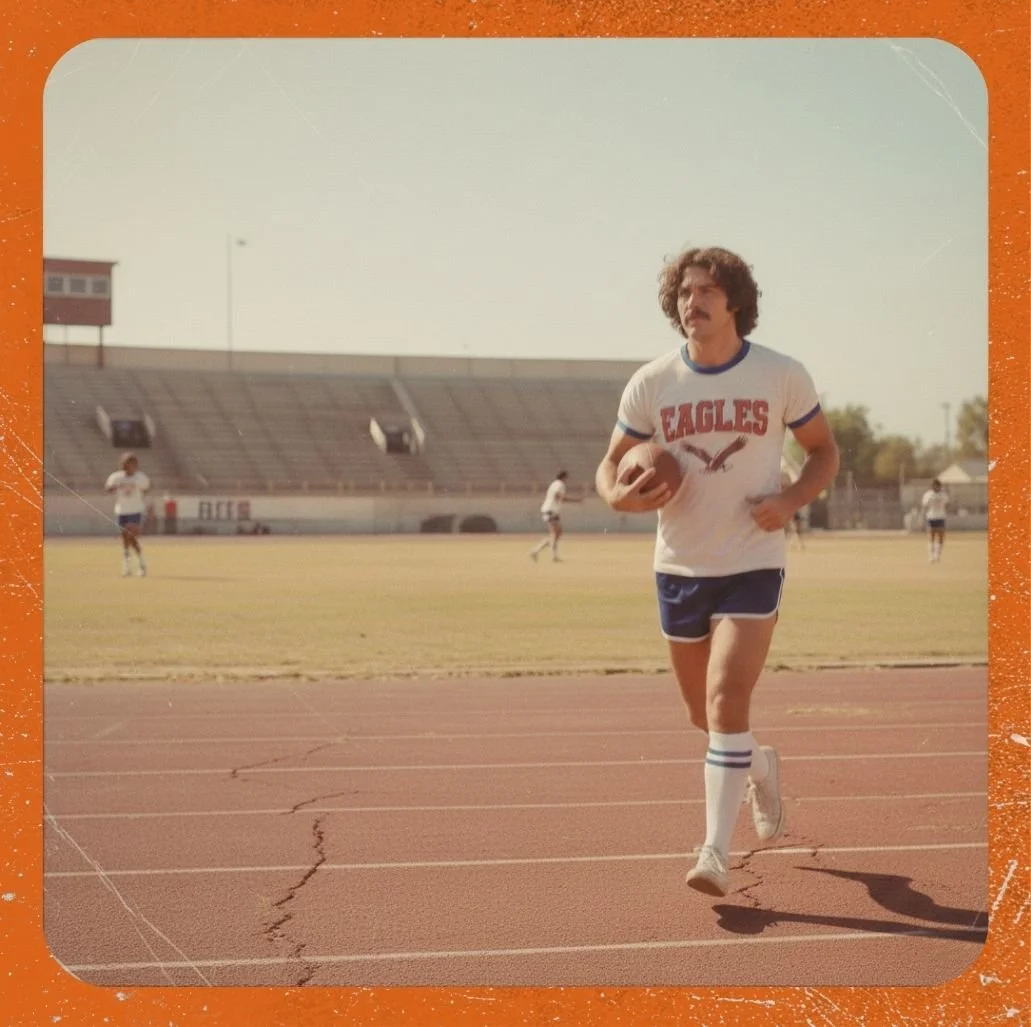
Clean, minimal graphicsNostalgic color combinationsCropped or boxy fitsSimple typography
The appeal is the same as it always was. It feels effortless. Familiar. Easy to build an outfit around. And importantly, it does not feel trend-chasing.It sits at the intersection of sport, youth culture, and everyday wear. Looking just as good dressed down with jeans as it does layered under a jacket, the ringer tee is recognizable without being loud. That balance is hard to replicate.Final Thoughts: Small Details, Lasting Impact
The ringer tee proves that sometimes the smallest design choices matter most.A simple band of color around a collar and sleeve turned an everyday garment into something iconic. Decades later, that same design still feels relevant.Whether vintage or newly printed, ringer tees carry a sense of history and ease that never really goes out of style.And that is exactly why they keep coming back.